Published: Sep 15, 2025
•
4 min read
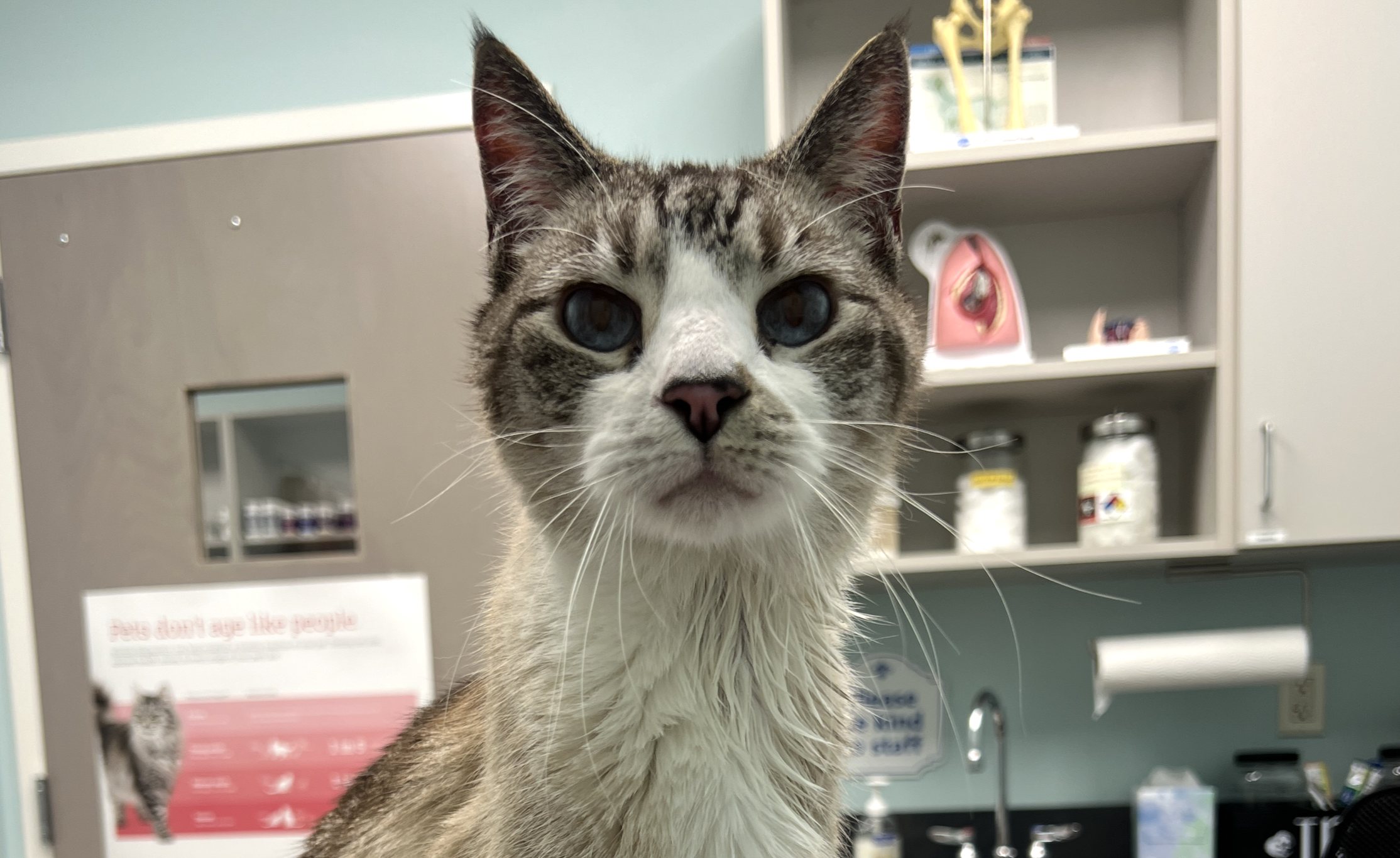
An investigation into the corporatization of veterinary care and what it means for pets and their owners.
With the rise of private equity, more and more local veterinary clinics are being acquired by large corporations. This trend has been accelerating in recent years, fueled by the steady growth in pet-related spending and the guarantee of generating profits. This makes the veterinary market a prime target for investors seeking stable, recession-proof returns. But what does this shift in ownership mean for care quality, costs for pet owners, and the vets themselves?
The New Faces of Veterinary Care
Your local vet may still have the same name on the sign, but there's a growing chance it's owned by a massive, multi-national corporation. The consolidation in the veterinary industry has been rapid, with a few large corporations now owning thousands of clinics. Below is a list of the largest veterinary conglomerates, which together represent a significant and growing portion of the market. This concentration of ownership raises questions about competition, pricing, and the future of independent veterinary practices.
10 Largest Conglomerates
- Mars Veterinary Health (parent of Banfield, VCA, BluePearl)
- National Veterinary Associates (NVA, JAB-owned)
- Ethos Veterinary Health (JAB portfolio specialty roll-up)
- VetCor — 850+ GP practices; acquired People, Pets & Vets
- PetVet Care Centers (KKR-backed)
- Thrive Pet Healthcare (formerly Pathway Vet Alliance; TSG Consumer Partners)
- Southern Veterinary Partners (SVP; Shore Capital)
- Mission Veterinary Partners (MVP; Shore Capital)
- MedVet
- Blue River PetCare
The Rising Cost of Care
As corporations take over, many pet owners are noticing changes in their vet bills. While veterinary service costs have been rising for years, corporate ownership can introduce new pricing structures and put a larger priority on income over care. Veterinary care costs are outpacing inflation, raising concerns about affordability and whether pet owners are being priced out of essential services.
Barriers to Independent Practice
The barrier to entry when starting a vet clinic is extremely high. The path requires a significant investment of time and money: an eight-year journey through undergraduate and veterinary school, with vet school acceptance rates hovering between a competitive 10-15%.1 Beyond the educational commitment, the financial barrier is immense, with the average cost of starting a new clinic ranging from $541,000 to $901,000.2 With the infusion of private equity, the cost to build a competitive clinic is likely to grow even larger. These high barriers make it difficult for new, independent clinics to emerge, creating an even further constrained market at the number of pets and pet owners continues to grow.
What About the Pets?
The most important question is whether corporate ownership is improving the quality of care our pets receive. Supporters of the corporate model argue it brings resources for better equipment and standardized procedures, which should lead to better outcomes. However, critics worry that a focus on profits can lead to more rigid, impersonal care. Veterinarians in corporate practices may face pressure from leadership to upsell services and follow strict protocols that limit their ability to treat patients. Unfortunately, data on "pet outcomes" (such as recovery rates or owner satisfaction) is virtually nonexistent. Without this information, it's difficult to definitively say whether this trend is a net positive or negative for pets.
Links to Jupyter Notebook files and data: